
Image Source
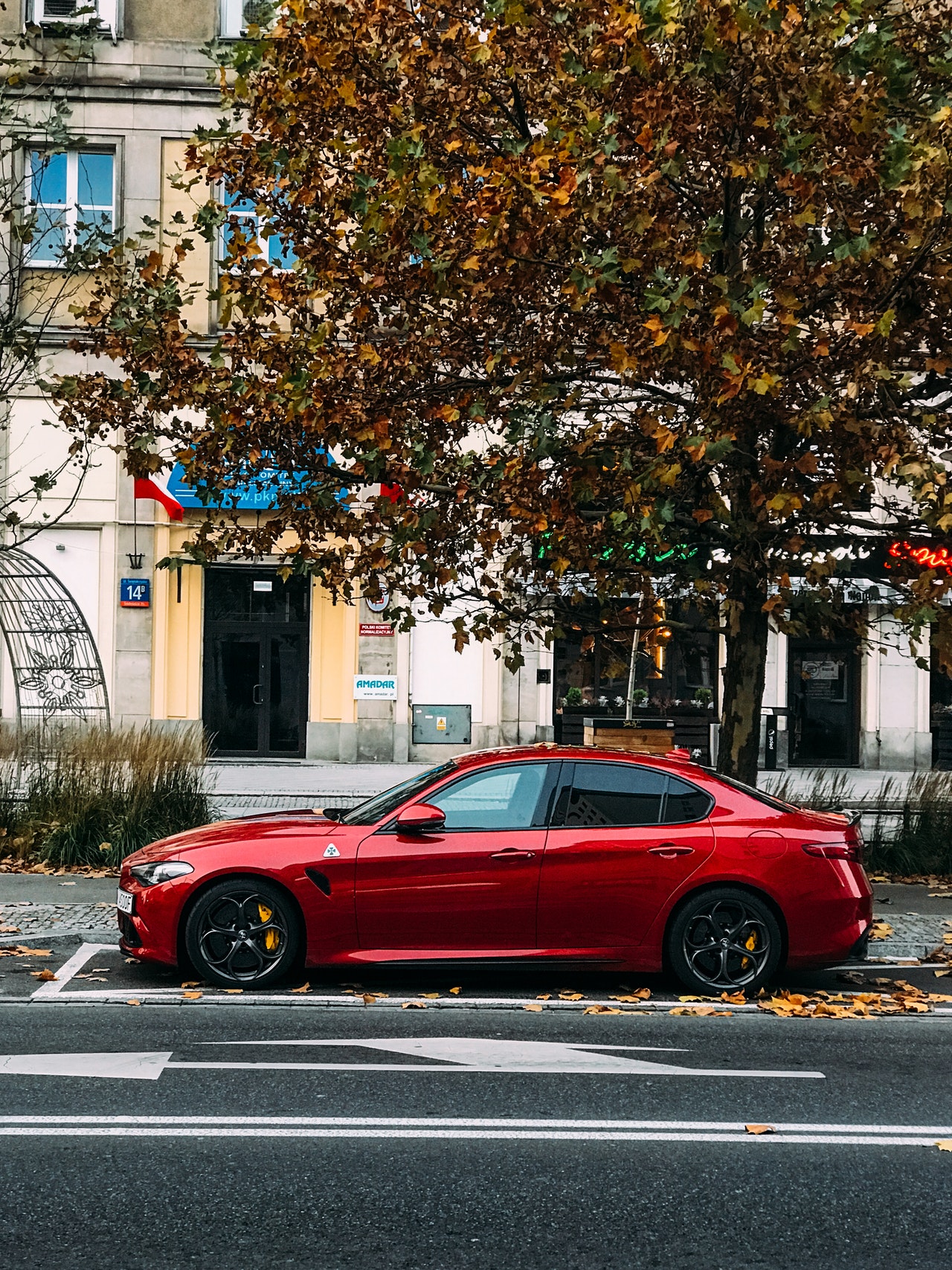
Getting your driving license is usually a huge life milestone. The second step towards gaining independence and freedom of movement involves buying your first car. However, it’s a significant investment, meaning it’s common for several months or even a couple of years to pass between both rites of passage. If you are going through this process, some of the tips below might help you save towards your first car.
Five tips for saving up to buy a car
1. Keep track of what you spend
If you’re not sure where you’re spending your money, it’ll be very difficult to save. So, it might be an idea to record all your daily expenses. You might want to write down all your expenses in a notebook or use applications such as Mint, which might help you track your financial activity by automatically recording each transaction you make from any of your accounts.
Interestingly, such applications break down your spending patterns. This way, you’ll be able to easily detect those “ant expenses” that aren’t really necessary and that we generally don’t pay attention to, but that can represent a significant chunk of money at the end of the month. Once you know what you’re spending your money on, you can determine which areas to cut out.
2. Apply an effective savings method
Good intentions often don’t materialise if you don’t have an action plan to put them into practice. It might be helpful to first determine how much money you can save each month and then look at the different savings methods available. The 52-week method, for example, consists of saving 1 euro the first week, 2 euros the following week, and so on until you reach week 52, in which you’ll deposit 52 euros . In the end, you’ll have saved 1,378 euros.
Another method for saving money is to divide the money into different accounts. The first, to which you can allocate 50% of your salary, will be used to cover your basic expenses, such as rent, electricity, food and transportation. In the second account, you can deposit 30% of your salary and it will be used to pay for your personal and leisure expenses. The third account, to which you can allocate 20% of your salary, will be dedicated to savings. With this system of compartmentalised accounts, you’ll avoid the temptation of spending the money that’s meant for your savings.
3. Automate your savings
Some banks provide the option to automate your savings by applying different rules. You might be able to set a limit on the maximum balance in your regular account. This way, when you exceed that amount, the money is automatically transferred to your savings account, either when you receive your payroll or at the end of the month. You might also be able to set a percentage of your income to automatically transfer to your savings every month.
Another alternative might be to use rounding applications that many banks also make available to their customers. In practice, each time you make a purchase, the application rounds the amount, automatically transferring the remaining cents to your savings account. This way, you’re saving money every time you pay for something, without having to worry about it.
4. Wait for the right moment
Saving up to buy a car not only means saving more money, but also making good decisions. Car dealers, like all companies, set a series of sales objectives that usually coincide with the end of a set period, whether monthly, quarterly or annually. If those goals haven’t been met, they might launch more aggressive discount campaigns or might be more willing to negotiate the final price.
If you don’t mind buying a car in stock, they are also usually cheaper than those ordered from the factory. The only “downside” is that you’ll have fewer customisation options, both in terms of the colour of the car and its finishes and accessories.
5. Be open to different options
If you want to save on the purchase of your first car, it might be an idea to look at the different alternatives. Buying a pre-registered new car, for example, can save you between 15 and 20% compared to the price of that same car that hasn’t been registered. These are new vehicles, meaning they haven’t been used, and they’ve simply already been registered by the dealer or manufacturer for commercial reasons. The only drawback is that the warranty period is shorter, since it begins when the vehicle is first registered.
You could also look into leasing a car, which for some can sometimes be a better option.
Used cars represent another interesting alternative when it comes to saving money. These are semi-new vehicles that dealers often use as test cars, so that customers can experience the feeling of driving them before making the purchase. One advantage to buying a used car, in addition to their cheaper price, is that you can drive the car home in just a few days.
While you’re saving for your first car, finding affordable car insurance will also be on your mind. Find a quote for car insurance from Liberty Insurance now.
Please note the above gives you some practical steps and does not constitute financial advice.
This article has been written and provided by Liberty Insurance. #ad