
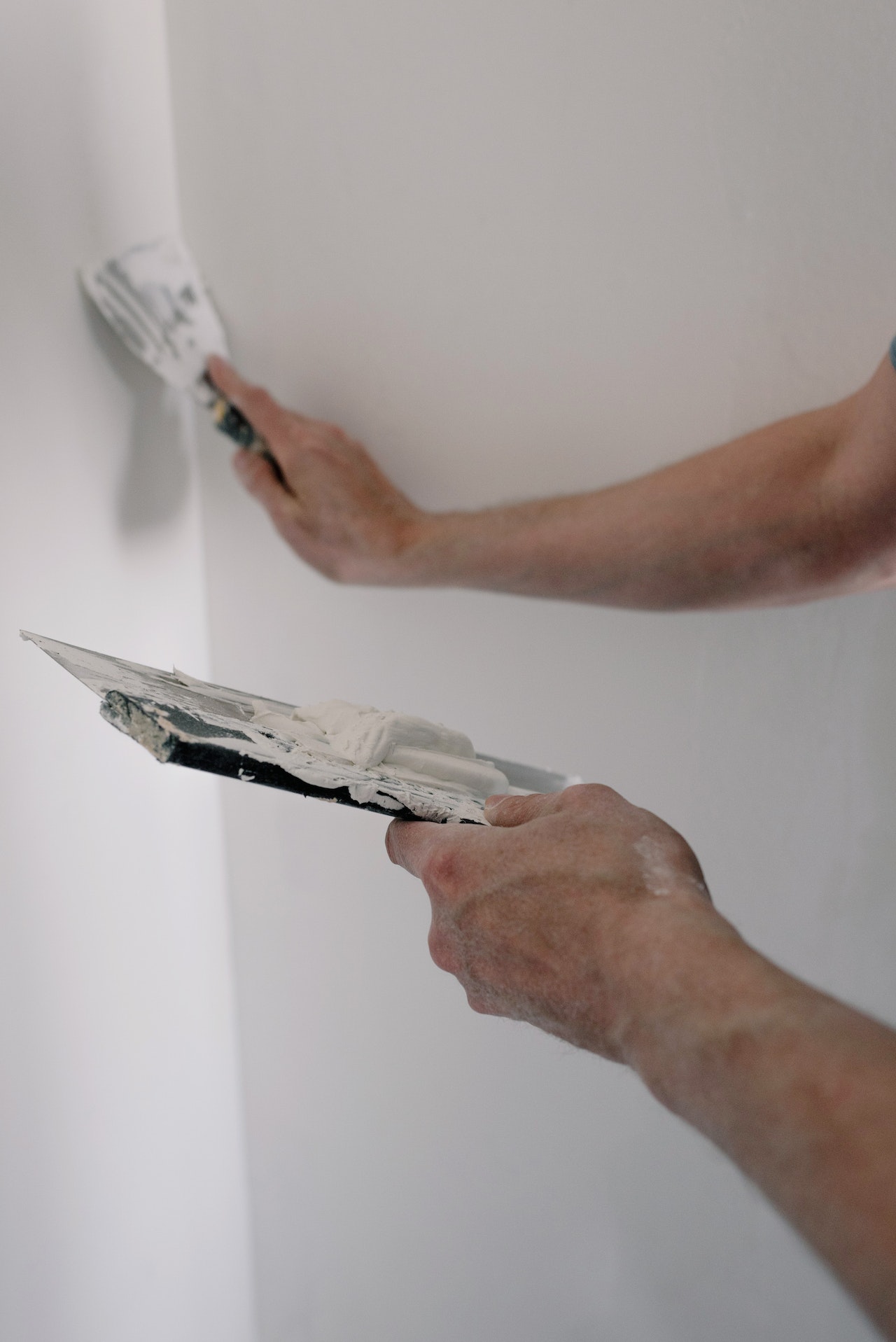
If you’ve ever thought about renovating your home, some of the first things that you could think of are the stress and hassle associated with the process. The larger the project, the more of this you could need to put up with. That doesn’t mean you’ll need to put up with an overwhelming amount of it.
By following a few home renovation steps, you can make things much easier for yourself. Seven specific steps are recommended for this, as they’ll make sure the process goes as smoothly as possible. With a bit of time and effort, you shouldn’t have a problem making your home nicer and more appealing.
Renovating Your Home: 7 Steps You Need To Take
1. Ask Yourself Why
Before you start renovating your home, you should ask yourself why you’re doing it. The answer could have much more of an impact on what you should get done than you’d expect. It forces you to focus on certain areas more than others, which dominos into the specific renovations you end up choosing.
There are more than a few reasons to renovate your home, including:
- Improve efficiency
- Update rooms
- Home maintenance
- Getting ready to sell
Once you know why you want to renovate, you can move onto picking the exact renovations.
2. Figure Out What You Want
You’ll need to know exactly what you want your home to look like once the renovations are done before you get any renovations started. From wood casement windows to flooring, you’ll need to determine what you want so you can get the right work carried out.
Doing so lets you figure out your budget and much more, making it one of the first things you should focus on. While this can be one of the more time-consuming aspects, it prevents a lot of hassle and headaches during the actual renovation process.
3. Choose A Professional Or DIY
There are more than a few renovations you can carry out yourself, but there are more than a few of them you’ll need to leave to a professional. You’ll have to make sure you know which ones are which before you start on any work.
You don’t need to choose between one or the other, however. It could be worth letting a professional carry out the most complicated parts of the renovations and then finishing everything off yourself. It’ll make sure the work is carried out well while bring down your overall costs.
4. Figure Out Your Budget
Before you start your renovations, you’ll need to make sure you can actually afford it. You wouldn’t want to be in the position where you’re halfway through it, suddenly realising you don’t have the money to finish it. Spend time figuring out how much you have to spend on the renovations and then allocating a proper budget.
The more time you spend figuring this out, the better you can decide which renovations you can get done. It’s worth adding 10% to 15% to this to cover any surprises or delays that could come up during the process. These unexpected problems could be relatively expensive to have addressed, so you’ll need to make sure you can cover them if they do.
5. Determine A Scope
Your budget will be one of the largest things to focus on, but you mightn’t be able to figure this out without knowing the scope of the project. It’s one thing to know you want to update the kitchen, but it’s quite another to say you want to rip everything out and replace it. You’ll need to know precisely how large the scope is.
It goes beyond simply the overall size of the project. Doing up the bathroom could be as simple as replacing the faucets and similar areas, which will be relatively minor. If you’re moving things around, however, you’ll need to consider the plumbing and electricals, which makes it much more complicated.
That has a drastic impact on the scope and overall cost, so you’ll need to keep this in mind.
6. Get Your Permits
Depending on where you live, you could need to get permits before carrying out any work. They’ll be a legal necessity, so you risk the renovations needing to be undone if they’re not gotten at the right time. These are needed to make sure all work is carried out properly.
In most cases, you’ll submit designs of the renovation as part of the application before you start any work. Once the process is done, an inspector or similar professional will ensure everything’s done as planned.
Make sure to go out of your way to get this done early. While some contractors could do this for you, check with them before the work starts to make sure you have the necessary permits.
7. Have Inspections Done
There are quite a few renovations that legally require an inspection to be done, but not all homeowners know this. These make sure that all of the work was carried out the right way, with inspectors then certifying it as such. You should make sure this is carried out as soon as the work has been completed.
There’s more to this than just meeting a legal requirement. It makes sure you’ve gotten your money’s worth while also guaranteeing that everything’s safe to use. You shouldn’t have to worry about any potential issues in the short- and long-term.
While many contractors could be willing to find an inspector for you, it could be worth getting one yourself to make sure they’re truly independent. Your home’s safety is more than worth it.
Renovating Your Home: Wrapping Up
Renovating your home can often seem like it’ll be a complicated and stressful process. While you can’t make it completely stress-free, there are more than a few ways to minimise the process. Instead of being a headache, it could end up being much more exciting.
Knowing what you want, figuring out your budget, not overlooking an inspection, and a few other home renovation tips can all be helpful with this. You’ll not only get rid of a lot of the stress, but you shouldn’t have a lot of hassle or headaches to deal with.
You shouldn’t have a problem renovating your home.