
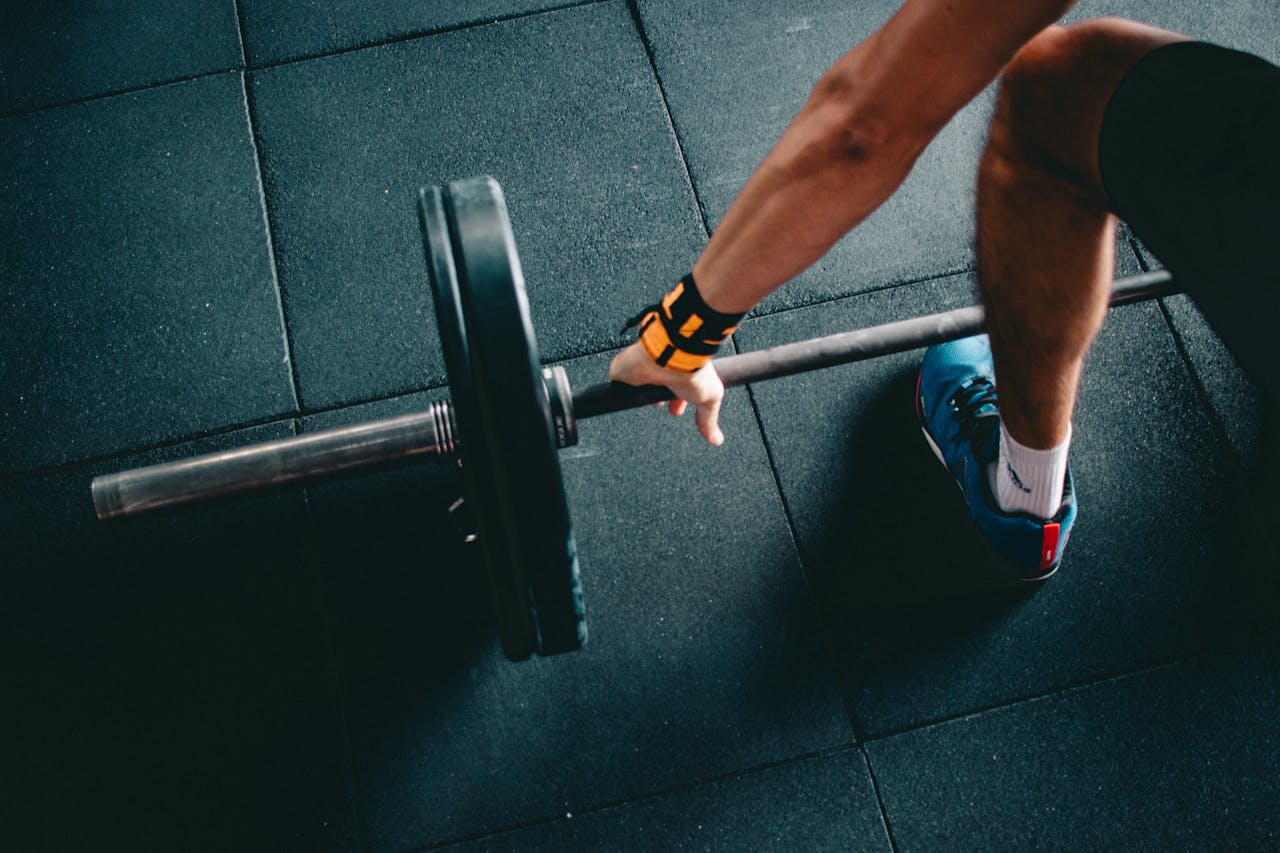
Weightlifting straps can be invaluable for those seeking to enhance their workout performance. These accessories are designed to provide support and improve grip strength. Selecting the right pair can make a significant difference in achieving fitness goals. This guide aims to help fitness enthusiasts understand the key factors to consider when choosing weightlifting straps.
Learn About Weight Lifting Straps
Weightlifting straps are typically made of fabric or leather and are wrapped around the barbell in conjunction with the wrist. They assist in lifting heavier loads by relieving some of the tension from the grip. Many varieties are available, each with its benefits for different styles and lifting needs.
Material Matters
The material of the straps plays a crucial role in durability and comfort. Common materials include cotton, leather, and nylon. Cotton straps are soft and comfortable, making them ideal for beginners. Leather straps offer durability and a firm grip, suitable for heavy lifting. Nylon straps balance comfort and strength and are often used by intermediate lifters.
Types of Weightlifting Straps
There are different types of straps depending on how you lift. Lasso straps are more versatile and adjustable and tend to be popular for general lasso use. Perfect for deadlifts and other heavy lifts, these straps offer the most secure hold of all and are called figure-eight straps. Olympic straps are designed for fast releases, covering the least amount of distance possible and allowing for less adjustability since they are also shorter.
Choosing the Right Fit
The fit of the strap is essential for both safety and performance. Straps should be snug around the wrist without pinching or cutting into the skin. Adjustable straps offer flexibility, allowing users to find the perfect fit. It’s essential to try different styles to see which feels most comfortable and secure.
Considering Workout Goals
Before choosing weightlifting straps, you must understand your personal workout goals. If your objective is strength training, you’ll need straps strong enough to withstand those heavy weights. On the other hand, people who are interested in endurance may want lighter, more comfortable items. It will be easier to decide once you figure out why you want the straps.
Budget and Quality
Another key factor is your budget. While higher-end straps are pricier, they perform better and are more durable. While they might cost a bit more upfront, a top-quality strap is cheaper in the long run. But there are far cheaper alternatives that provide sufficient stability for those looking to start lifting or for lighter lifts.
Reviewing Brands and Products
To help you choose the right strap, you can research different brands and read product reviews that describe the quality and performance of the straps. Reviews from customers indeed outline the good and the bad, effectively aiding potential buyers in making a decision. This helps you choose a product that best suits your preferences and requirements.
Taking Care of Straps
Caring for weightlifting straps increases their lifespan. It is crucial to check your bearings for wear and tear regularly. Cleaning them according to the manufacturer’s instructions prevents odor and deterioration. Keeping the straps cool and dry ensures their functionality and quality.
Consulting with Experts
Getting some tips from trainers or seasoned lifters can be a great help. They may suggest different types of straps according to your personal lifting style, requirements, and goals. It can also prevent you from making common mistakes and using it incorrectly.
Safety Considerations
You should always prioritize safety while using weightlifting straps. To avoid accidents, securing the straps correctly before raising them is imperative. Following best practices and proper lifting techniques minimizes the risk of injury. Keep your limitations in mind and take one step at a time.
Experimenting and Adapting
In the end, finding your ideal weightlifting straps may take some trial and error. Experimenting with various options and materials will help you figure out what suits you the best. However, this could also mean that the choice of straps needs to change depending on your fitness levels and goals.
Conclusion
Material, type, fit, and budget are all key factors to consider before purchasing a pair of weightlifting straps. Keeping these in mind alongside your personal fitness goals can improve your lifting and enhance your fitness journey.