I didn’t move to Tasmania expecting to rethink housing. I went for the quiet, the landscapes, the sense that time there moves at a different speed.
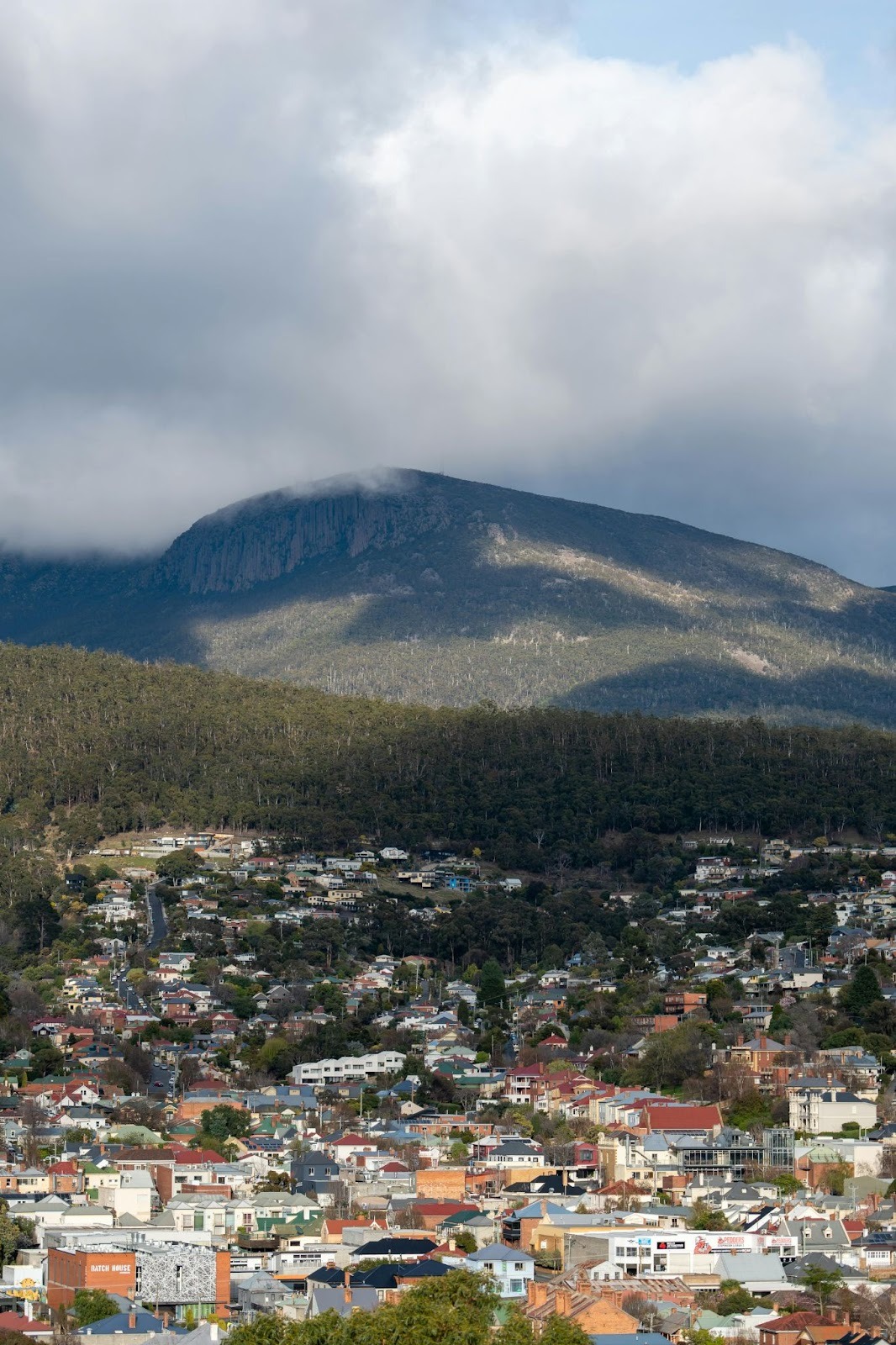
Photo by Mark Direen: https://www.pexels.com/photo/hobart-cityscape-with-mount-wellington-tasmania-33899514/
But it didn’t take long before the way people lived—really lived—started to get under my skin. Not in an aspirational, lifestyle-magazine way. In a practical way. A “this makes sense” way.
Homes weren’t oversized. They weren’t built to impress strangers. They were built to work. To adapt. To cope with wind, rain, salt air, and long winters without falling apart emotionally or structurally. And over time, I realized that this mindset wasn’t accidental. It was shaped by the island itself.
Tasmania doesn’t reward excess. It rewards clarity.
The Landscape Shapes the Logic
When you live on an island that can throw four seasons at you in a single day, you stop pretending that homes are just aesthetic objects. They become tools. Shelter. Systems. The environment makes sure of that.
There’s a bluntness to Tasmanian weather that forces design honesty. You don’t get away with flimsy ideas. You don’t build for Instagram. You build for wind that slaps sideways and rain that doesn’t care about your roof pitch.
Before we get into design philosophies and flexible layouts, it’s worth understanding what people are building against.
Weather That Doesn’t Negotiate
Tasmania isn’t dramatic for the sake of drama. It’s persistent. Cold creeps in slowly. Moisture doesn’t announce itself; it settles. Wind doesn’t roar all the time—it probes, looking for weak points.
People learn quickly that homes must:
- Seal properly, not just look sealed
- Handle condensation without creating mold
- Hold warmth without guzzling energy
- Breathe without leaking heat
This is why flashy architectural statements rarely last. You see more compact forms, fewer wasted corners, fewer “feature spaces” that don’t serve a daily function.
Distance Creates Different Priorities
Many Tasmanian towns are small. Some are isolated. Trades can be booked weeks out. Materials don’t always arrive on time. That reality pushes people toward homes that are easier to maintain, easier to repair, and easier to modify without a full renovation crew.
You don’t design for perfection. You design for continuity.
This is where I first heard serious discussions about modular construction, prefab concepts, and kit homes Tasmania — not as trends, but as survival logic. When logistics are complicated, simplicity becomes intelligence.
Simplicity Isn’t Minimalism
There’s a difference between simplicity and minimalism. Tasmania taught me that distinction the hard way.
Minimalism often chases an image. Simplicity chases function. You see it in how spaces are used. Not staged. Used.
Living rooms that aren’t afraid of clutter because they’re actually lived in. Kitchens designed for real cooking, not open-plan theatrics. Storage where you’d logically reach for it, not where it looks best in photos.
Smaller Footprints, Smarter Use
Large homes aren’t common in many parts of Tasmania, not because people can’t build them, but because they don’t need them.
Smaller footprints mean:
- Less to heat
- Less to clean
- Less to maintain
- Less to insure
- Less to worry about
That reduction frees people. Time comes back. Energy comes back. Attention comes back.
I met families in two-bedroom homes who felt richer in time than people in five-bedroom houses on the mainland.
Rooms That Earn Their Keep
There’s no room for rooms that don’t work.
Dining rooms that double as workspaces. Guest rooms that become hobby rooms. Verandas that aren’t decorative but actually used for half the year. Spaces earn their place.
This is the opposite of aspirational housing culture, where rooms exist because you’re “supposed” to have them. Tasmania strips away that pretense.
Flexibility Is Not a Buzzword Here
On the mainland, “flexible living” often means sliding doors and marketing language. In Tasmania, flexibility means survival.
I saw homes that had been quietly reshaped over decades—extensions added, walls shifted, sheds converted into studios, garages into workshops. Not dramatic renovations. Incremental change.
This taught me something important: good homes are not finished products. They’re systems that can evolve.
Modular Thinking Without the Hype
Many Tasmanians don’t call it modular design. They just do it. They build in ways that allow for:
- Future bedrooms
- Future workspaces
- Future rental income
- Future accessibility
They don’t lock themselves into a single version of life.
This mindset feels rare elsewhere, where people often build for a fantasy version of themselves instead of the one they’ll actually become.
Multi-Use Spaces Aren’t a Trend
In Tasmania, multi-use isn’t a design choice. It’s common sense.
Sheds become art studios. Sunrooms become winter dining areas. Back rooms become micro-offices long before remote work became a headline. This creates resilience. When life changes, the house doesn’t resist. It adapts.
Materials Matter More Than You Think
Tasmania quietly teaches you that materials are not neutral. They shape your daily experience.
Cheap materials don’t just fail faster. They change how you live. You become cautious. You stop trusting your own home.
Tasmanian homes tend to favor materials that age visibly but honestly—timbers that silver, stone that darkens, metals that patina. Not luxury. Longevity.
Weather-Resistant, Not Fashion-Resistant
People don’t care if something looks dated. They care if it leaks. That’s a powerful filter.
You see fewer trend-driven finishes and more:
- Solid timber
- Simple cladding
- Honest metal
- Functional glazing
Design choices aren’t justified with mood boards. They’re justified with stories: “This lasted 30 years.” “That survived three storms.” “This is easy to fix.”
Repairability Over Perfection
The obsession with flawless surfaces fades quickly when you live somewhere that tests your home.
Tasmanians accept wear. They value fixable over flawless. That mindset reduces anxiety. Homes become forgiving.
Living Smaller Changes How You Think
This was unexpected. Simpler homes changed my psychology more than my routines. When space is limited but functional, you stop accumulating useless things. Not out of discipline—out of disinterest.
You ask better questions before buying: Where will this live? What will it replace? Do I actually need this? This naturally leads to calmer interiors, fewer decisions, fewer distractions.
Less Storage, More Intention
Large homes hide bad habits. Smaller homes expose them. Tasmanian-style living nudges you toward intentional ownership. You start valuing objects for their use, not their potential.
This spills into other areas of life.
Maintenance Becomes Manageable
There’s a mental weight to maintaining too much house.
Smaller, simpler homes lift that weight. You stop deferring repairs. You stop building to-do lists that never end.
You start finishing things.
Community Influences Design
Tasmania’s housing culture is deeply tied to its social culture. People visit each other. Homes aren’t showrooms. They’re social tools.
You’ll see:
- Large kitchen tables
- Outdoor seating that actually gets used
- Mudrooms that acknowledge reality
- Entryways built for boots, not aesthetics
Homes are built for people, not for posting.
Homes That Host, Not Impress
The idea of “hosting” in Tasmania isn’t performative. It’s casual and frequent. Design reflects that. Layouts prioritize gathering, not spectacle.
You don’t see many “statement staircases.” You see kitchens that fit six people without bumping elbows.
Privacy Without Isolation
Many homes balance openness with retreat. Bedrooms feel protected. Living spaces feel shared. This creates emotional flexibility, not just physical flexibility.
What I Took With Me
I didn’t leave Tasmania with a checklist of design rules. I left with a shift in values.
I stopped wanting “bigger.” I stopped wanting “impressive.” I stopped wanting “perfect.” I started wanting:
- Adaptable
- Repairable
- Calm
- Honest
- Easy to live with
Those aren’t architectural terms. They’re life terms.
Homes Should Support, Not Perform
Your house shouldn’t feel like a stage. It should feel like a tool. A companion. Something that works quietly in the background. Tasmania taught me that.
Flexibility Is Freedom
A home that can change with you gives you psychological breathing room. You don’t fear life shifts as much. You don’t feel trapped by your own walls. That’s real luxury.