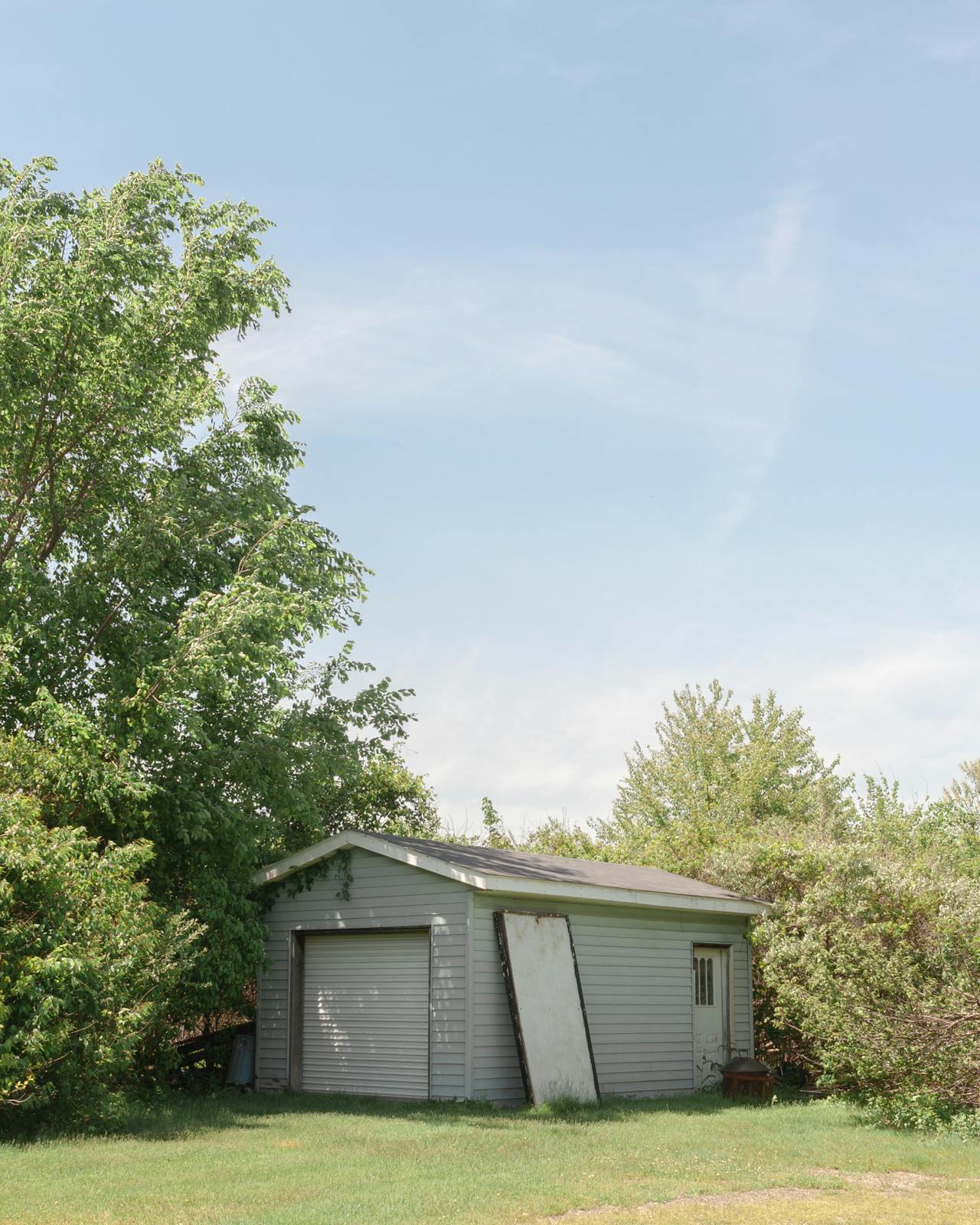
A garden shed can perform so many functions, from storage, to workspace, to a relaxing sanctuary. With so many options available, it may be difficult to decide which option suits your needs. In this article, I have talked about the five points to consider that will help you make the right decision for your garden.
1. Identify Your Shed’s Purpose
Start by defining how you plan to use your shed:
- Storage (tools, garden equipment, bikes, seasonal décor)
- Workshop (for woodworking, gardening, or crafts)
- Home office or studio (a quiet place to work)
- Leisure space (for relaxation, reading, or entertaining)
The shed’s size, design, and features will depend on the intended use. Many homeowners choose Duramax sheds since they have versatile designs that accommodate a variety of intended uses, from secure storage to livable workspace. Since Duramax has strong durable materials and versatile options, consumers can be sure that any shed can meet their needs.
2. Select the Right Size
Choosing the correct size prevents both overcrowding and wasted space. Consider making an inventory of items you’ll store, or the activities you want to do inside. Here are common size categories:
- Tool Storage: 4×6 ft to 6×8 ft (compact, for small tools and equipment)
- General Storage: 8×10 ft to 10×12 ft (fits lawnmowers, bikes, and more)
- Workshop or Home Office: 10×12 ft and up (for roomier, multi-purpose use)
Check local building codes to confirm if permits or restrictions apply.
3. Choose the Best Materials
Sheds come in several materials, each with its own maintenance needs:
- Wood: Classic, customizable, but needs regular upkeep to prevent rot and pests.
- Metal: Durable and low-maintenance but may rust and offer fewer design options.
- Resin/Vinyl: Lightweight and highly resistant to rot and insects, but less customizable and not ideal for heavy-duty needs.
Pick the material that suits your climate, budget, and personal preference for maintenance and looks.
4. Consider Design and Aesthetics
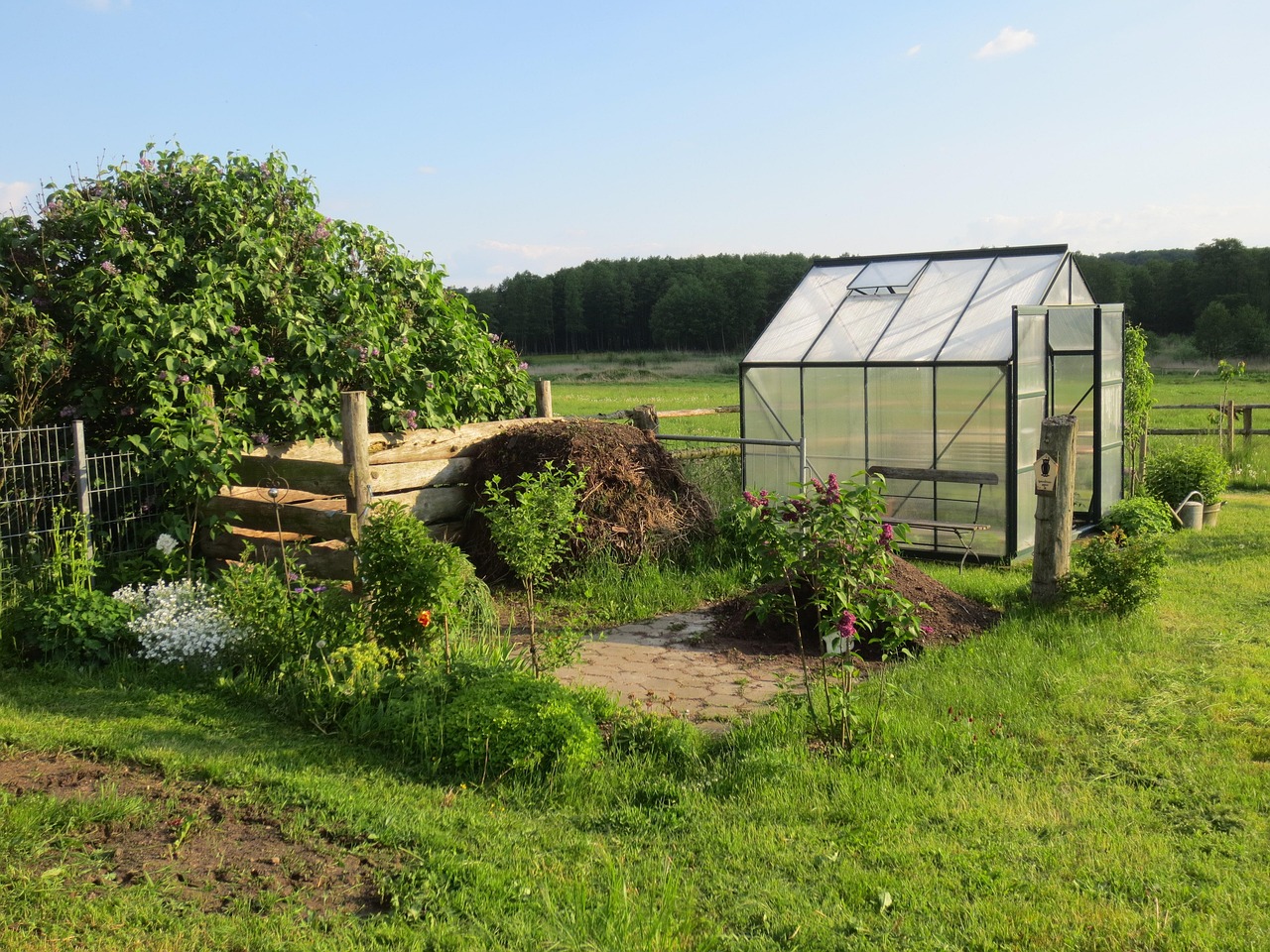
Your shed is part of your landscape. Make it complement your home by considering:
- Color and architectural style (matching or accenting your house)
- Doors and windows (for easy access and natural light)
- Roof type (gable, pent, or flat roofs affecting drainage and aesthetics)
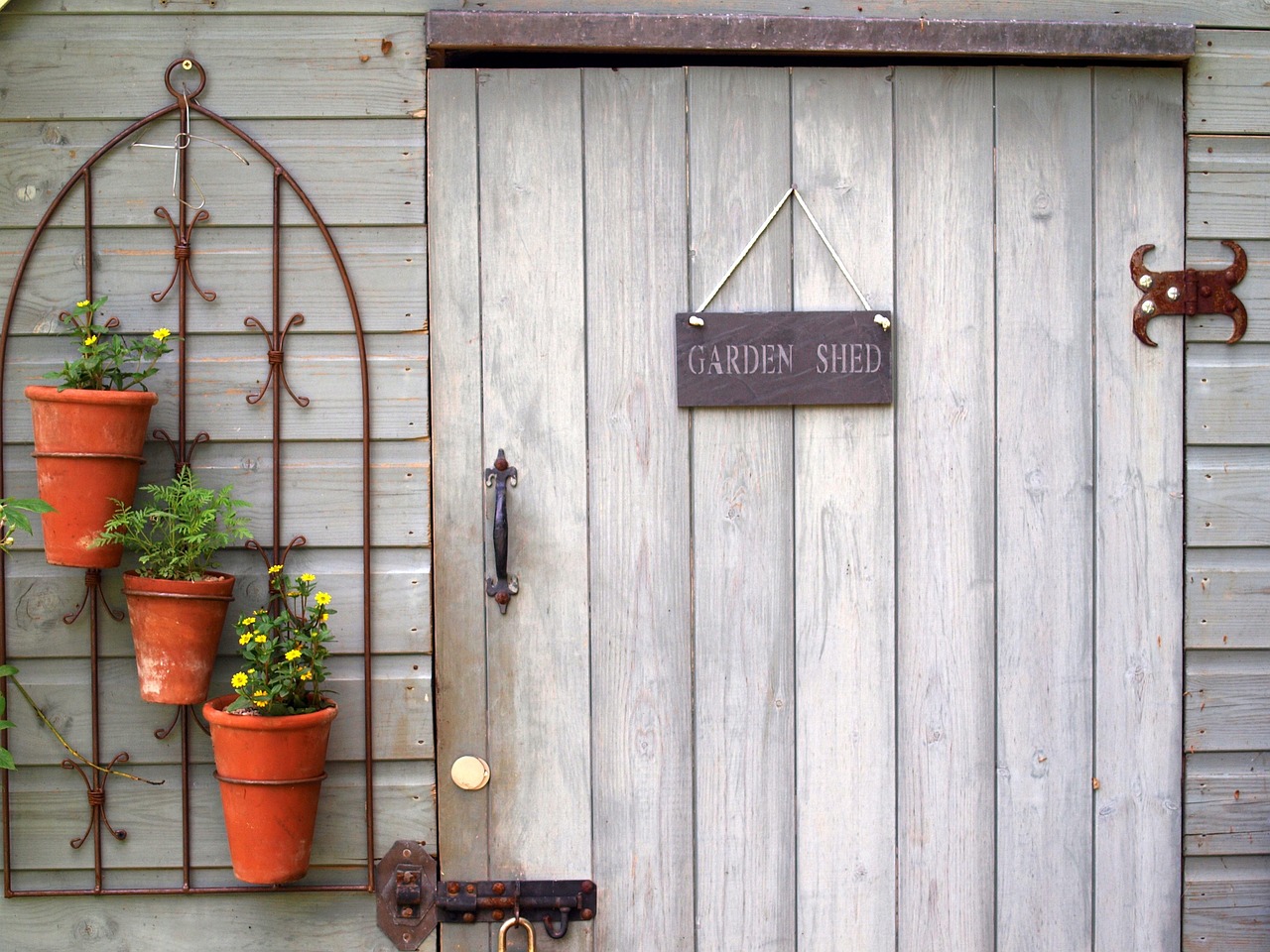
- Extra touches (ramps, decorative trim, flower boxes) for personalized flair
5. Location and Installation
The right location ensures longevity and convenience:
- Place the shed on level, well-drained ground to avoid structural problems.
- Position it for easy access, but not so close it disrupts your outdoor flow.
- Respect property lines and local regulations.
- Invest in a solid foundation—gravel pads for affordability or concrete slabs for heavy, permanent structures.
- Consider features like insulation, shelving, and security based on your intended use.
Conclusion
The smallest things can completely transform your backyard and bring order and functionality to your home. Once you decide how you are going to be using the shed, the materials you prefer, how big you want it to be, and where you are going to want it to be located and the features that you need, you will be able to make prudent choices and purchases that will serve you for many years to come! Don’t forget to check local by-laws anyway before you purchase anything and enjoy your new space made just for you!