
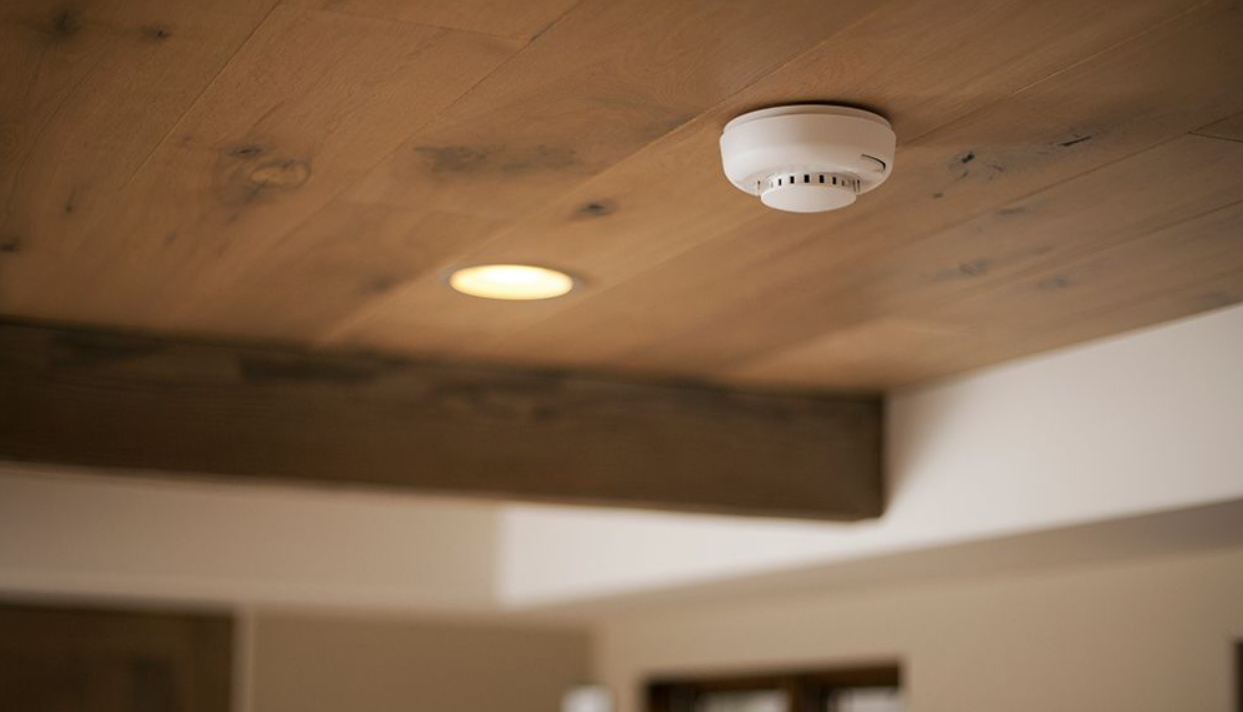
Smoke alarms are essential for protecting your home, yet they’re often overlooked. Studies have shown that the risk of fatality in house fires drops significantly in homes with these devices installed. Despite how essential they are, choosing the right one isn’t always simple. With so many types, features, and technical terms out there, it’s easy to feel unsure about which one to get. I’ll walk you through the basics and answer the questions most people have before making a purchase.
Compliance with Standards
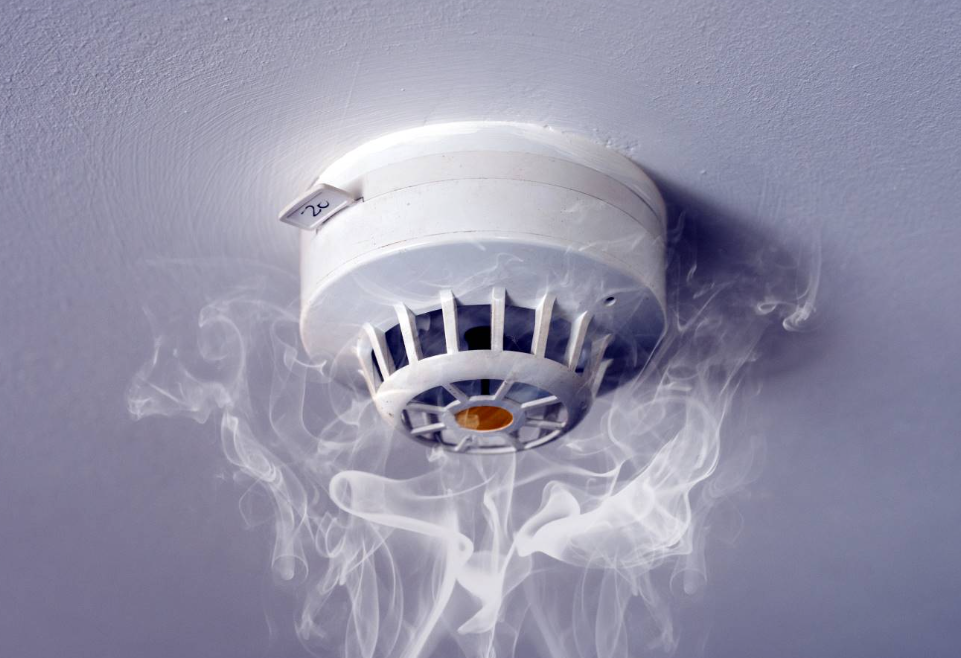
It’s easy to focus on price or design, but what really matters is choosing standard-compliant home smoke alarms. A reliable device will give you confidence that it will perform exactly when you need it most. For example, alarms that follow BS 5839 standards are designed to meet strict fire safety requirements. They ensure dependable detection and response in real-life situations.
Look for models that use wireless systems, like the RadioLINK protocol. These allow multiple devices in your home to connect and communicate with each other. So, if smoke is detected in one room, all alarms will sound. This gives everyone in the house an early warning, no matter where they are.
Different Types of Alarms
Simply having a home smoke alarm isn’t enough. You need to have the right kind in the right places. Different technologies are designed to detect different types of fires, so knowing how each one works can help you make a smarter, safer choice. Here’s a list of the most common options:
- Ionisation alarms: These are typically quicker at detecting fast, flaming fires in situations where flames spread rapidly. They use a small electrical current that gets disrupted when smoke enters the chamber. They’re often more budget-friendly, which is why many homes already have them installed.
- Photoelectric options: Better suited for slow, smouldering fires, like those caused by overheating wires or cigarettes. Instead of relying on electrical current, they use a light beam that scatters when smoke is present, triggering the alert.
- Combination (dual-sensor) options: If you want broader coverage, these units include both ionisation and photoelectric sensors. That means they can respond effectively to both fast-burning and slow-developing fires.
- Multicriteria (intelligent) options: These take things a step further by combining multiple sensors, sometimes including heat detection. They use smart algorithms to analyse what’s happening. One big advantage is fewer false alarms, especially from everyday activities like cooking.
- Voice-enabled options: Instead of just beeping, these models can provide spoken alerts, sometimes even telling you where the issue is. This can be especially helpful in larger homes or for households with children or older adults.
Combination Smoke and Carbon Monoxide Alarm
If you’re looking for a more all-in-one approach to home safety, consider combination home smoke alarms. These devices are designed to detect both fire-related smoke and carbon monoxide, a gas you can’t see or smell but can be extremely dangerous. They’re usually installed on the ceiling or high on a wall, much like standard options, so they blend easily into your existing setup. They become especially important if your home has fuel-burning appliances like a boiler, furnace, or water heater, or even features like a fireplace or an attached garage.
How Are They Powered?
Some models run entirely on replaceable batteries, which makes them easy to install but also means you’ll need to stay on top of maintenance. You need to swap the batteries at least once a year and check the unit regularly. There are also options with sealed batteries designed to last up to a decade. These are a popular choice if you’d rather not deal with frequent replacements, although monthly testing is still important to make sure everything is functioning properly.
In many homes, domestic smoke alarms are connected directly to the electrical system and have a backup battery in case of a power cut. This setup offers a bit of extra reassurance, combining consistent power with a safety net when you need it most.
When to Replace Them
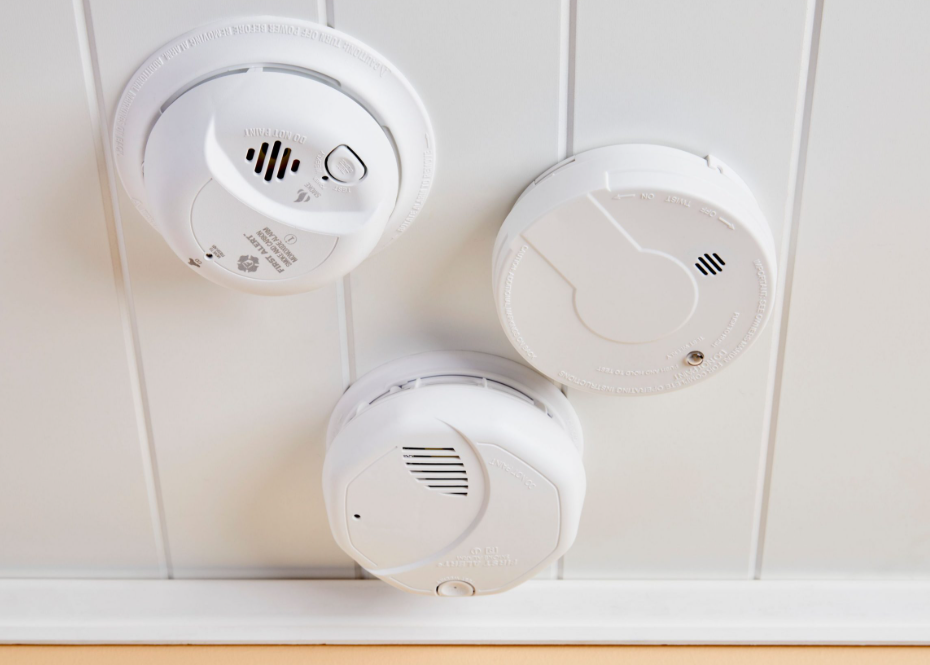
Even the best devices don’t last forever, so knowing when to swap them out is just as important as installing them in the first place. Over time, sensors wear down and become less reliable, which can put your safety at risk. So, when should I replace a smoke alarm? Here are a few clear signs it’s time for a new one:
- It’s been around 10 years since the manufacture date (7–10 years for combination units).
- You hear a consistent end-of-life chirp or signal.
- It doesn’t respond properly during a routine monthly test.
- It has been exposed to a fire, even if it still seems to work.
Interconnected Smoke Alarms
Interconnected domestic smoke detectors are designed so that when one goes off, they all do. That means if a fire starts in another room, or even another floor, you’re far more likely to hear it right away. If you’re updating existing units, it’s usually fine to stick with what you already have, but upgrading to an interconnected system can add more safety. Some setups use wiring, while others connect wirelessly, making them easier to install in older homes.
Placement
In most homes, you’ll want coverage inside every bedroom, just outside sleeping areas like hallways, and on each level of the house, including the basement. For spaces without bedrooms, place one in common areas, such as the living room, or near stairways. This ensures that the sound travels where it’s needed. Basements are best covered at the bottom of the stairs, where rising smoke can be detected early. If your home is larger or has multiple levels, add a few extra units so you can be quickly alerted.